Archives
- 2026-05
- 2026-04
- 2026-03
- 2026-02
- 2026-01
- 2025-12
- 2025-11
- 2025-10
- 2025-09
- 2025-03
- 2025-02
- 2025-01
- 2024-12
- 2024-11
- 2024-10
- 2024-09
- 2024-08
- 2024-07
- 2024-06
- 2024-05
- 2024-04
- 2024-03
- 2024-02
- 2024-01
- 2023-12
- 2023-11
- 2023-10
- 2023-09
- 2023-08
- 2023-07
- 2023-06
- 2023-05
- 2023-04
- 2023-03
- 2023-02
- 2023-01
- 2022-12
- 2022-11
- 2022-10
- 2022-09
- 2022-08
- 2022-07
- 2022-06
- 2022-05
- 2022-04
- 2022-03
- 2022-02
- 2022-01
- 2021-12
- 2021-11
- 2021-10
- 2021-09
- 2021-08
- 2021-07
- 2021-06
- 2021-05
- 2021-04
- 2021-03
- 2021-02
- 2021-01
- 2020-12
- 2020-11
- 2020-10
- 2020-09
- 2020-08
- 2020-07
- 2020-06
- 2020-05
- 2020-04
- 2020-03
- 2020-02
- 2020-01
- 2019-12
- 2019-11
- 2019-10
- 2019-09
- 2019-08
- 2019-07
- 2019-06
- 2019-05
- 2019-04
- 2018-11
- 2018-10
- 2018-07
-
In some pancreatic and non
2020-09-22
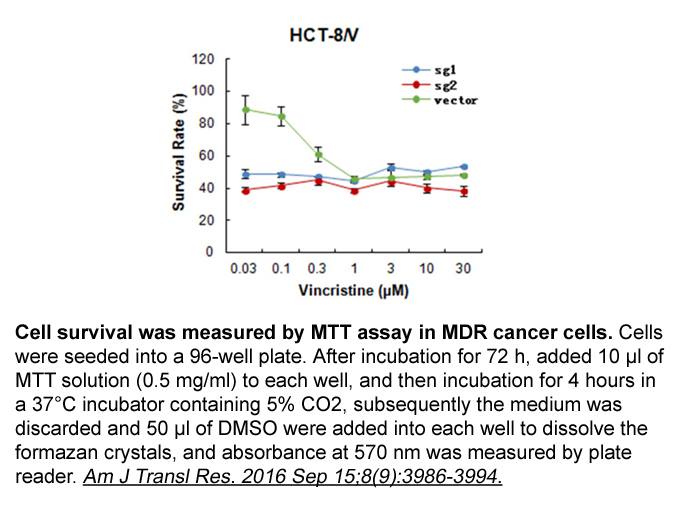
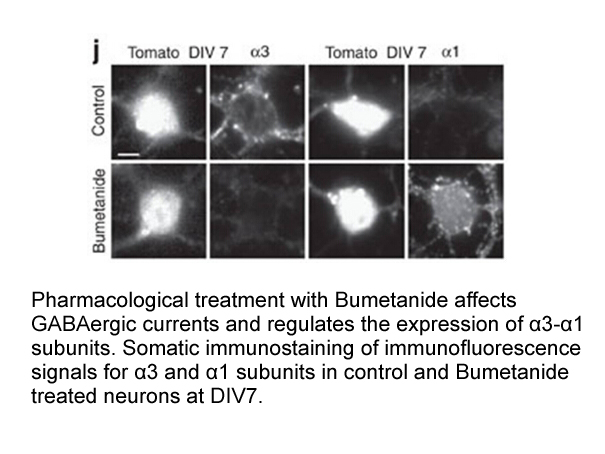
In some pancreatic and non-pancreatic tissues, the chloride and calcium channels are heavily regulated by phosphorylation by protein kinases, such as PKC, cyclic AMP-dependent protein kinase (PKA), PKCaMKII, PI3K and protein tyrosine kinases [7,36,37]. Since the interaction of triterpenes with recep
-
Our observation that nuclear but not cytoplasmic
2020-09-22
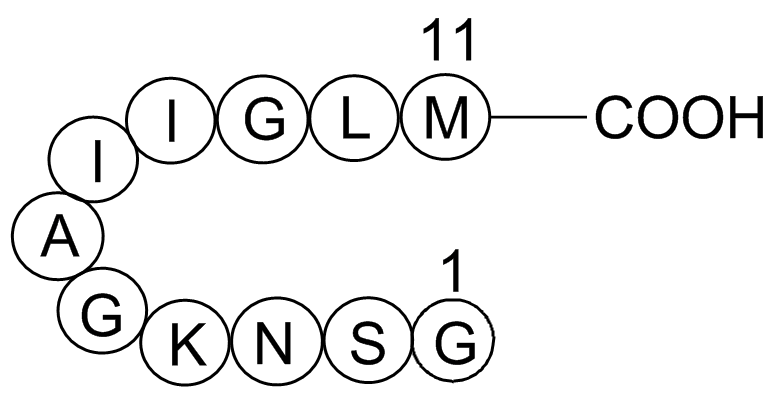
Our observation that nuclear, but not cytoplasmic EP4 expression is associated with different outcomes is interesting. In breast cancer, using the same methods, we did not detect EP4 in the nucleus of malignant stock dilution calculator whereas cytoplasmic EP4 was commonly observed [13]. While G pro
-
The GH family includes also xylanases which are not MeGlcA
2020-09-21
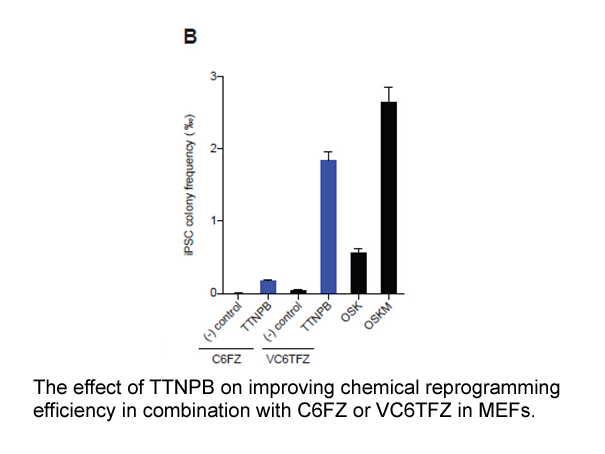
The GH30 family includes also xylanases which are not MeGlcA-dependent. Most of them are grouped to GH30_7 subfamily that includes XynIV from Trichoderma reesei showing exo- and endo-xylanase activity [11] and XYLD from Bispora sp. MEY-1 [12] having activity towards glucuronoxylan and arabinoxylan,
-
Regarding eicosanoid production iPLA VIA appears in general
2020-09-21
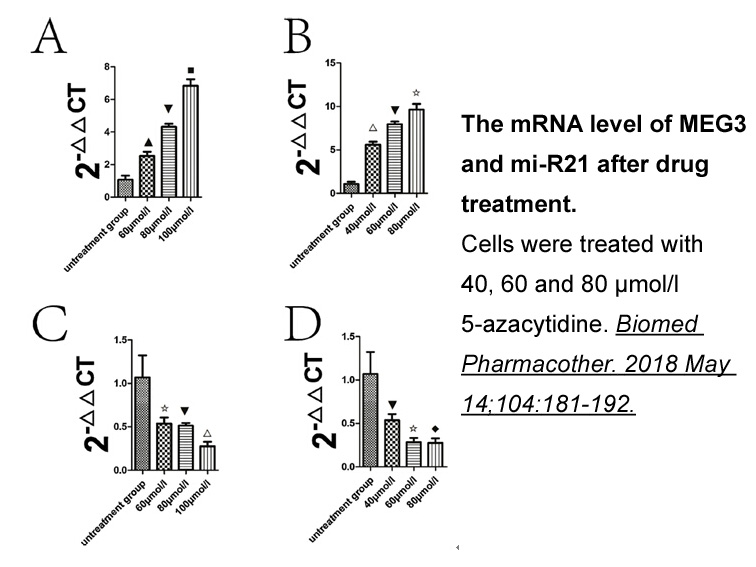
Regarding eicosanoid production, iPLA2-VIA appears, in general terms, not to play a major role in mediating this response in innate immunity and inflammation, as evidenced by the large number of studies highlighting the lack of effect of selective inhibition of the enzyme in stimulus-induced AA rele
-
The Wnt catenin signaling pathway
2020-09-21
The Wnt/β-catenin signaling pathway is a downstream target of SOX9 and is involved in a variety of cellular responses, including cell migration, proliferation, and differentiation [14]. Several studies have identified the Wnt/β-catenin signaling pathway as essential for cartilage function, and it i
-
br Materials and methods br Results and
2020-09-21
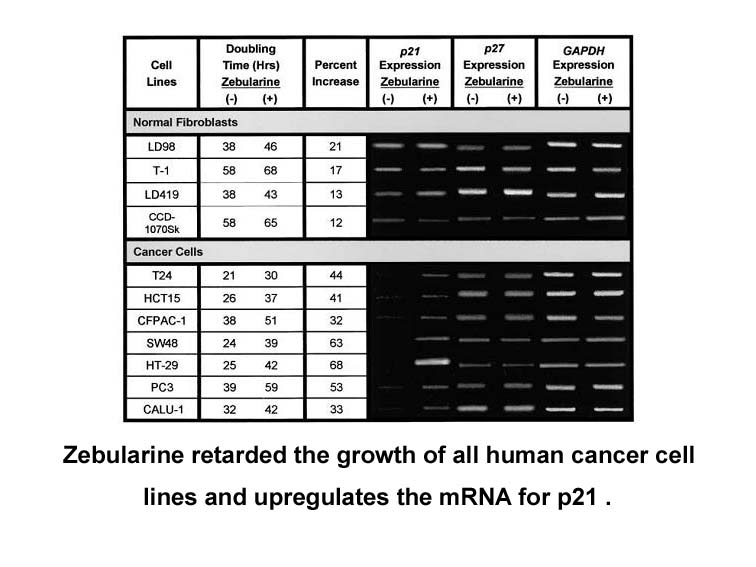
Materials and methods Results and discussion Conclusions Codon-optimized MGSK-Lys-C was expressed at a high level in an optimized expression system as inclusion bodies. The Lys-C activity reached its maximum with about 9340 nkat/Lculture under standard (chemical) refolding conditions. The r
-
Ubiquitin activating enzyme activates ubiquitin by a three s
2020-09-21
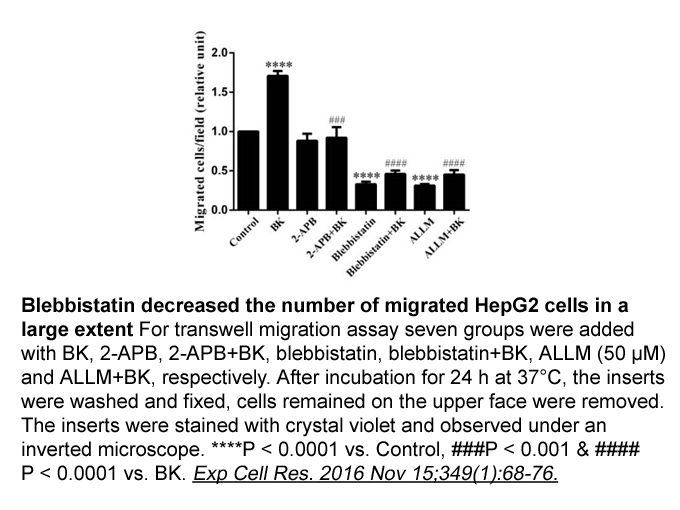
Ubiquitin-activating enzyme activates ubiquitin by a three-step process with ATP as a cofactor (Chen et al., 2011, Haas and Rose, 1982, Haas et al., 1982). We demonstrated that ATP is required for mRFP-Ub–E1 formation under non-reducing conditions (Fig. 2A). A time course of radioactive ATP producti
-
E protein was studied using specific anti E antibodies in
2020-09-21
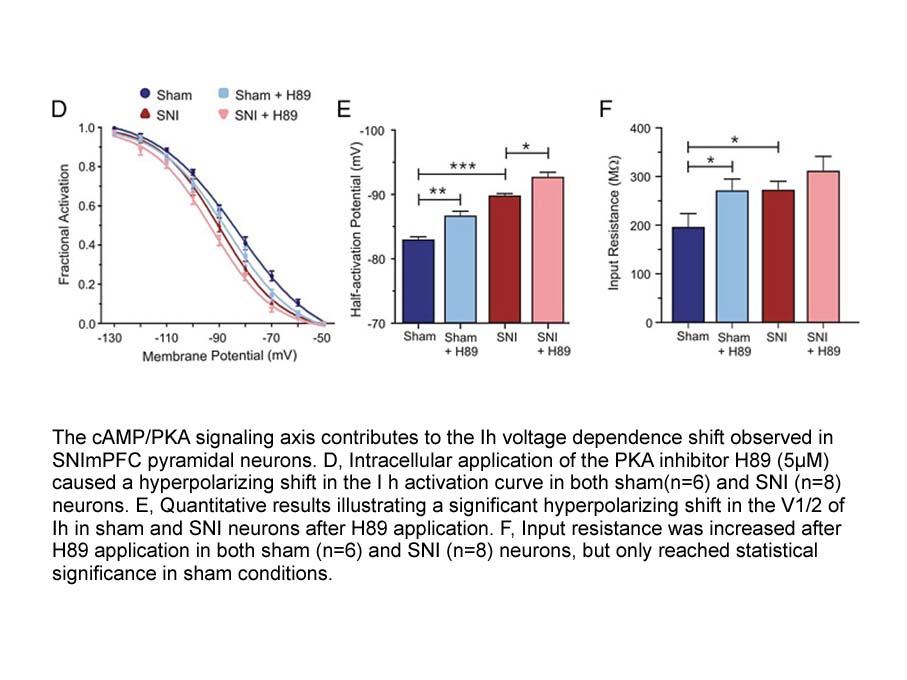
E1 protein was studied using specific anti-E1 bromfenac receptor in wild type cells and in transfected cells overexpressing the enzyme. The results revealed several unusual characteristics, which are unique to this ubiquitin-activating enzyme. The E1 was translated as a full-length protein and then
-
br Discussion Several DPP inhibitors are currently available
2020-09-21
Discussion Several DPP-4 inhibitors are currently available for use in the treatment of type 2 diabetes mellitus. Due to the different chemical structures there are marked differences both in the binding kinetics on the target enzyme [10] and also different pathways of elimination [13] exist. In
-
C PHNO has been described as a full agonist
2020-09-21
[11C]-(+)-PHNO has been described as a full agonist at both D2 and D3 receptors [54,55]. [11C]-(+)-PHNO was initially developed as a PET radiotracer for imaging the high affinity state of the D2 receptor (i.e., highD2) as a means of measuring synaptic dopamine changes in response to pharmacologic ch
-
ATRX belongs to the switch sucrose non
2020-09-21
ATRX belongs to the switch/sucrose non-fermenting (SWI/SNF) chromatin remodeling family, mutations in which cause syndromal mental retardation and downregulation of α-globin expression (Gibbons et al., 1995). Most of these mutations are located in two highly conserved regions of the ATRX protein: a
-
Here we found that these leukotriene antagonists
2020-09-21
Here we found that these leukotriene antagonists also inhibit the effects of nucleotides acting at P2Y receptors in dU937 cells, which are known to express a number of nucleotide receptors, such as P2Y2 or P2Y4[30]. In an effort to characterize the P2 receptor subtypes subject to negative modulation
-
Moreover a ligand for fusin has
2020-09-21
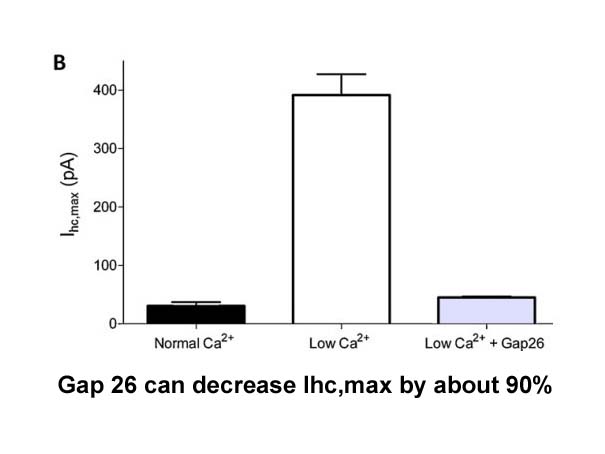
Moreover, a ligand for fusin has recently been found: the lymphocyte chemoattractant stromal-derived factor-1 (SDF-1) binds to CHO 22 9 transfected with fusin and promotes secondary messenger production (Bleul et al., 1996; Oberlin et al., 1996). A new name, CXCR-4, has been proposed for the recepto
-
dihydroquercetin mg Previously published results on this top
2020-09-19
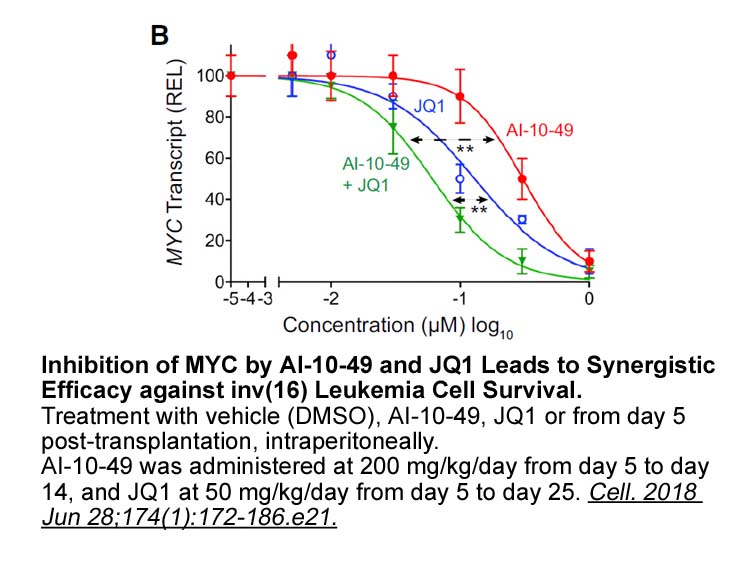
Previously published results on this topic are inconsistent. Stressin1-A, a novel CRF1 receptor agonist, increased anxiety-like behavior in the social interaction and shock-probe tests [51]. Pharmacological blockade of CRF1 (NBI-30775) reversed both CRF-induced increases in startle and CRF-induced d
-
In summary these findings show that the knockdown of tra
2020-09-19
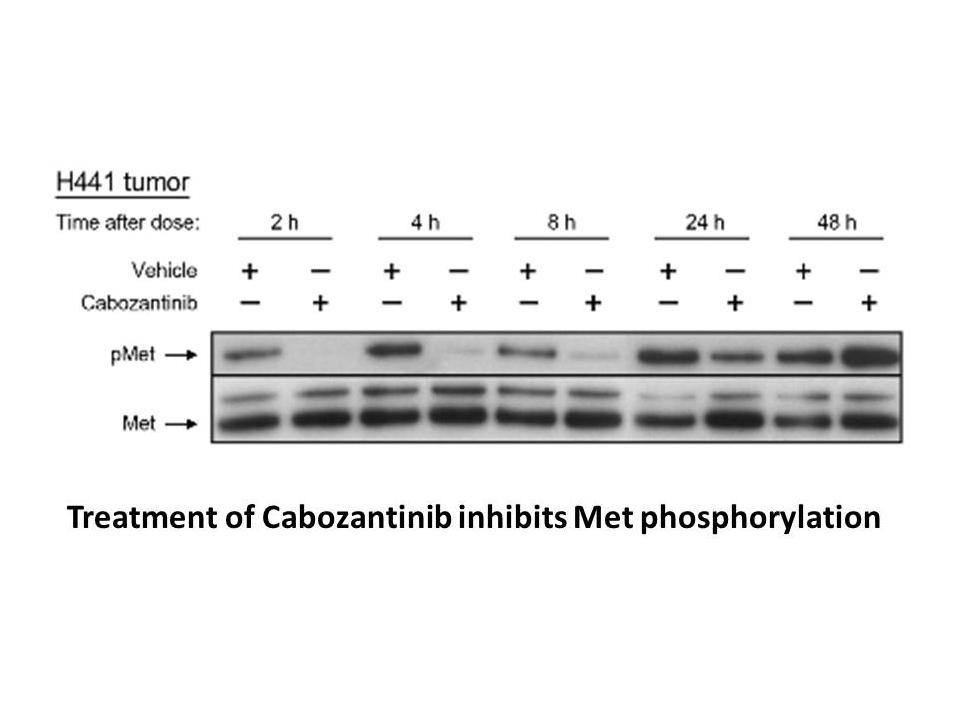
In summary, these findings show that the knockdown of tra2 in the Drosophila fat body results in an increased triglyceride phenotype, which could be explained in part by altered splicing of the gene coding for the lipid breakdown enzyme, CPT1. These findings are consistent with previous studies anal
16079 records 781/1072 page Previous Next First page 上5页 781782783784785 下5页 Last page