Archives
- 2026-08
- 2026-07
- 2026-06
- 2026-05
- 2026-04
- 2026-03
- 2026-02
- 2026-01
- 2025-12
- 2025-11
- 2025-10
- 2025-09
- 2025-03
- 2025-02
- 2025-01
- 2024-12
- 2024-11
- 2024-10
- 2024-09
- 2024-08
- 2024-07
- 2024-06
- 2024-05
- 2024-04
- 2024-03
- 2024-02
- 2024-01
- 2023-12
- 2023-11
- 2023-10
- 2023-09
- 2023-08
- 2023-07
- 2023-06
- 2023-05
- 2023-04
- 2023-03
- 2023-02
- 2023-01
- 2022-12
- 2022-11
- 2022-10
- 2022-09
- 2022-08
- 2022-07
- 2022-06
- 2022-05
- 2022-04
- 2022-03
- 2022-02
- 2022-01
-
br Viral manipulation of host factors
2025-01-02
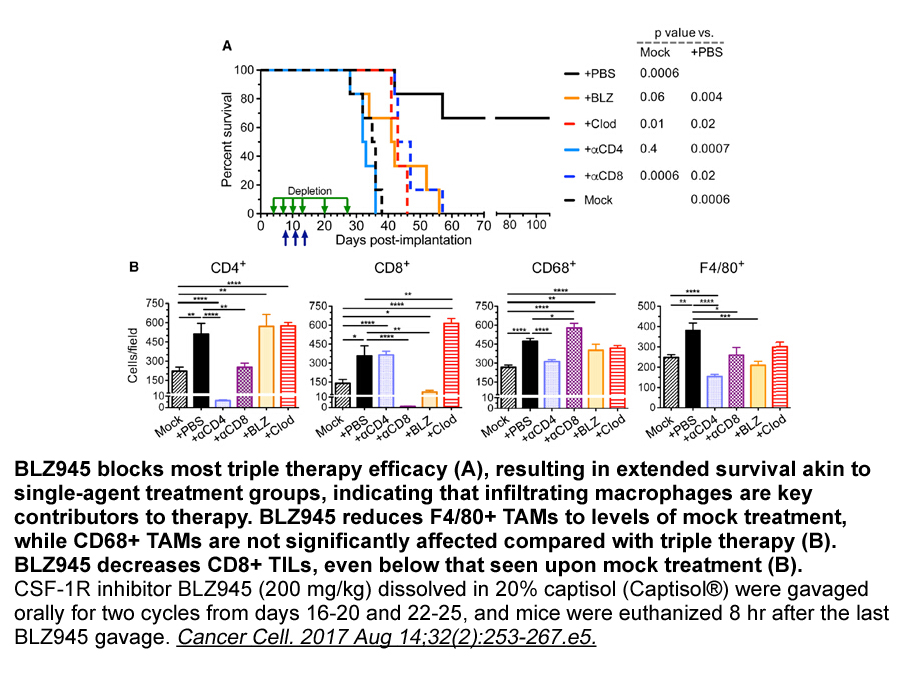
Viral manipulation of host factors to oppose anti-viral autophagy To escape or manipulate autophagy, some viruses developed strategies that are based on the recruitment of host-cell endogenous factors. The non-enveloped double-stranded DNA virus adenovirus is rapidly endocytosed after attachment.
-
br Funding This work was supported
2025-01-02
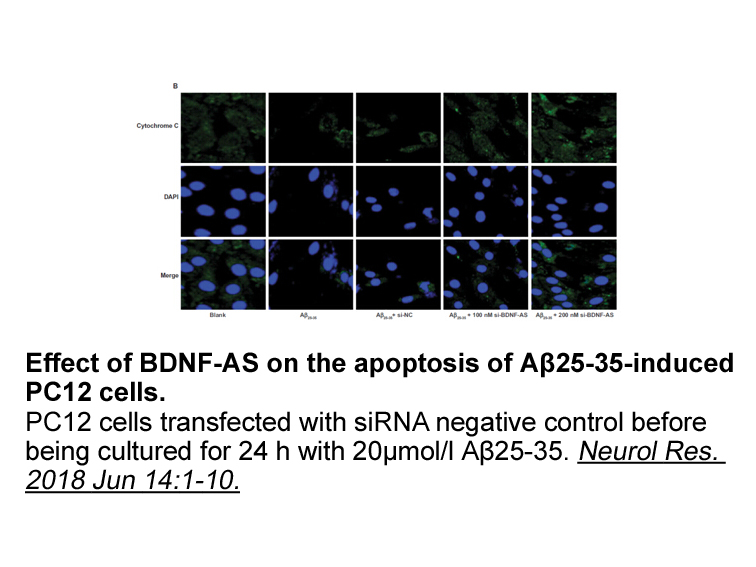
Funding This work was supported by the National Natural Science Foundation of China (grant No. 81573664). Thanks to Jing-xian Yang from the Pharmacology Laboratory of Liaoning University of Traditional Chinese Medicine for support with technology and experimental equipment. Disclosure Confl
-
br Conclusions br Introduction In
2025-01-02
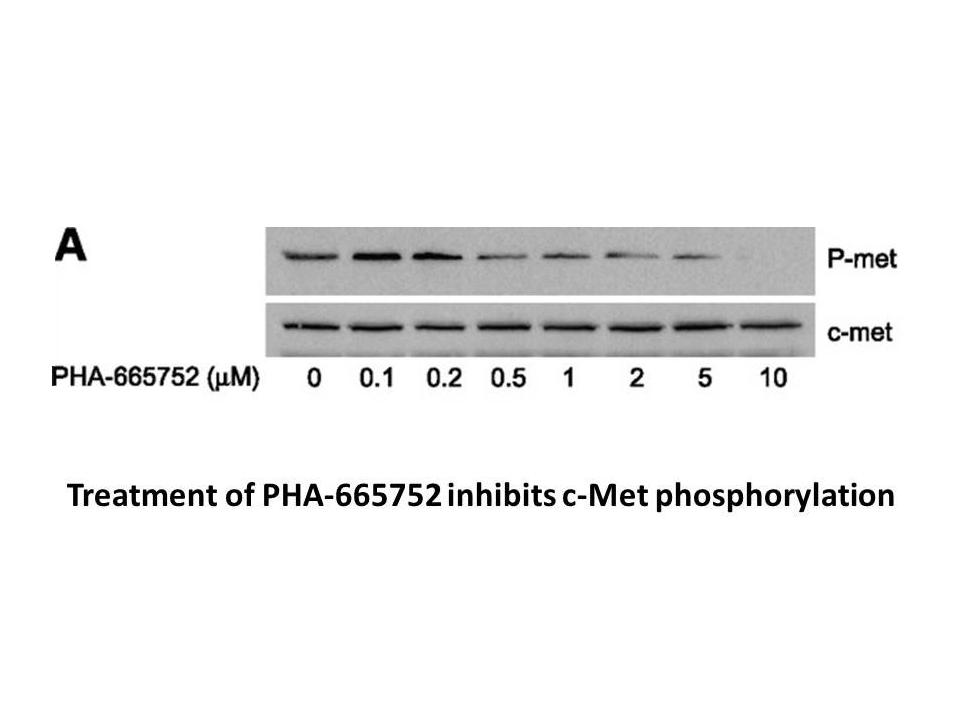
Conclusions Introduction In the modern life of humans, Pyoluteorin mg are widely prescribed for therapy against bacterial diseases to prevent the onset of bacterial infections during a viral disease (Goossens et al., 2005; Van Boeckel et al., 2014). They have been massively administered and p
-
br Regulation of AHR Activity AHR activity is regulated in
2024-12-31
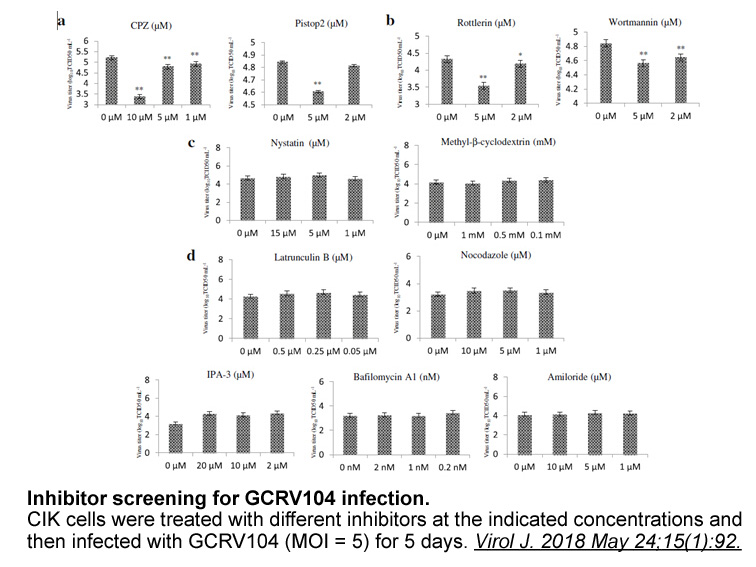
Regulation of AHR Activity AHR activity is regulated in various ways. First, AHR protein levels are controlled via ubiquitin-mediated proteosomal degradation: Ligand binding induces AHR ubiquitination and subsequent degradation by the proteasome [5]. AIP, a component of the AHR chaperone complex,
-
Ultraviolet UV spectroscopy is commonly
2024-12-31
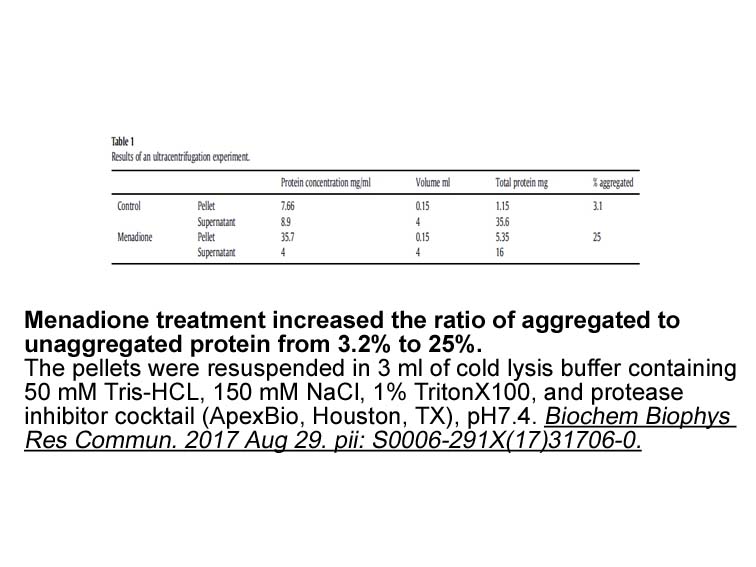
Ultraviolet (UV) spectroscopy is commonly used for screening potential ADA inhibitors [15]. In the UV method, the ADA reaction is calculated by measuring the decrease in absorbance of the substrate at 265 nm or increase in absorbance of the product at 248 nm. However, AD and inosine share a very clo
-
Five alternatively spliced isoforms of ATX have
2024-12-31
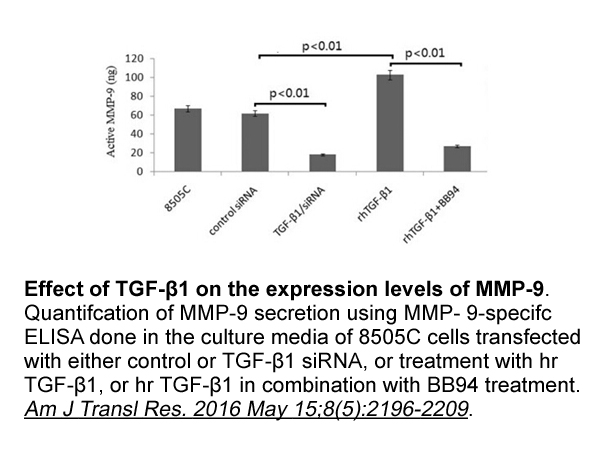
Five alternatively-spliced isoforms of ATX have been described and all are catalytically active [16], [17]. The original ATX described in 1992 is termed ATXα, whereas the most abundant isoform is ATXβ and is the same isoform responsible for plasma lysoPLD activity [18]. Full length ATX is synthesize
-
The following are the supplementary data
2024-12-31
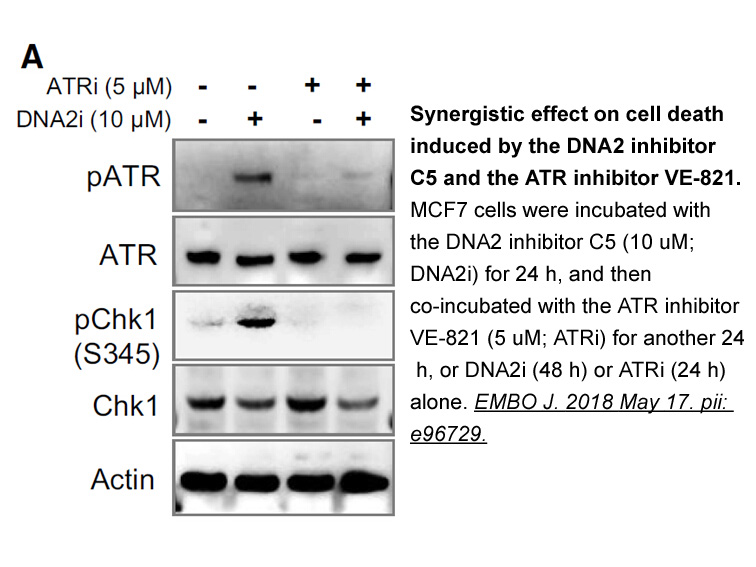
The following are the supplementary data related to this article. Funding Work in Dr. Rosell's laboratory is partially supported by a grant from La Caixa Foundation, and an Instituto de Salud Carlos III grant (RESPONSE, PIE16/00011). Work in Dr. Cao's laboratory is partially supported by the Maj
-
br Acknowledgements br Introduction Thus
2024-12-31

Acknowledgements Introduction Thus, damage to the Protein A/G mg may produce severe consequences (National Research Council, 1992). Indeed, though the nervous system has several compensatory and adaptive mechanisms, it is vulnerable to toxic insult, due to its inability to regenerate after le
-
In the current study we showed that
2024-12-31
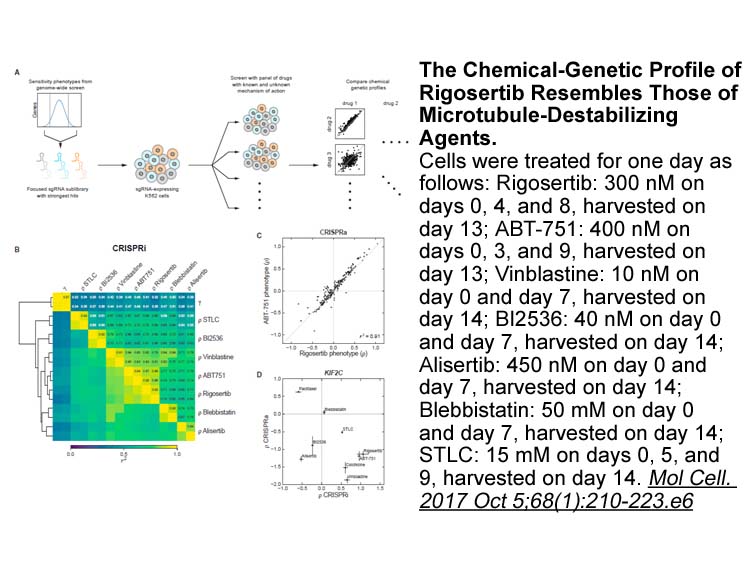
In the current study, we showed that known inhibitors of the F-ATPase and ionophores affect the growth of P. gingivalis and its plasma membrane ATPase, suggesting that the membrane ATPase can be a target for anti-periodontitis agents. We also identified stilbenoids that strongly inhibit the growth o
-
Having demonstrated that Gq coupled
2024-12-31
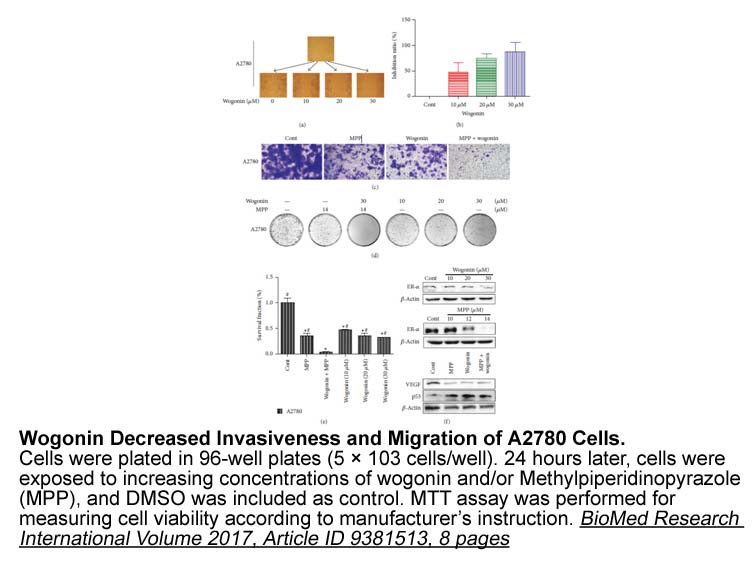
Having demonstrated that Gq-coupled mGluR1a was necessary for estradiol-induced enhancement of CREB phosphorylation, we hypothesized that activation of a separate G-protein signaling pathway could explain the effect of estradiol on L-type calcium channel signaling (Boulware et al., 2005). Indeed, in
-
We also showed that steatosis induced an additional increase
2024-12-31

We also showed that steatosis induced an additional increase of ASK1 activation that was associated to the exacerbation of hepatocyte and liver damage and was unrelated to ER stress. Indeed, several settings, also different to ER stress, can induce ASK1 activation and many of them involve oxidative
-
Retigabine dihydrochloride Human hepatocyte transplantation
2024-12-31

Human hepatocyte transplantation resulted in some animals with relatively sparse repopulation while others had >90% of their liver containing human hepatocytes. The presence of circulating human albumin varied based on the amount of repopulation as the degree of humanization is reported to correlate
-
In summary present evidence suggests that antimicrobial ther
2024-12-30
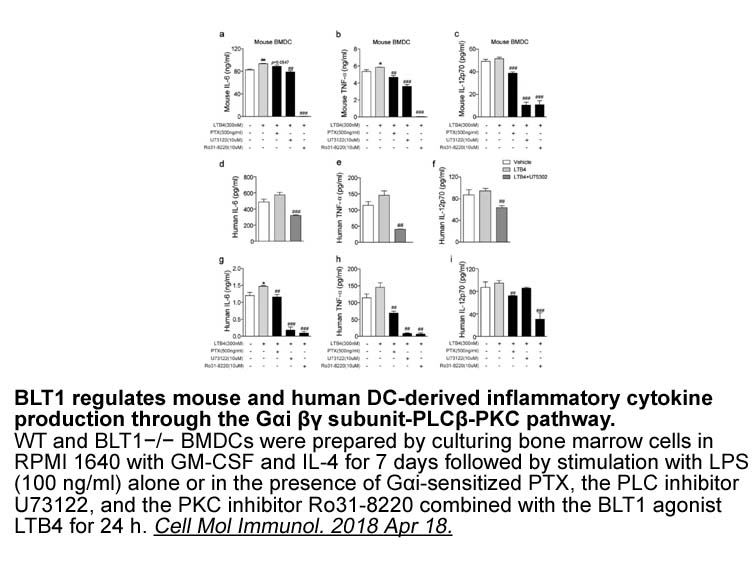
In summary, present evidence suggests that antimicrobial therapy for intra-abdominal sepsis can be shortened in patients exhibiting a clinical response to treatment. Hence, clinicians should use the resolution of clinical signs of infection as a guide to determine when during the 4–7-day window anti
-
Pathogen infected macrophages release exosomes
2024-12-30
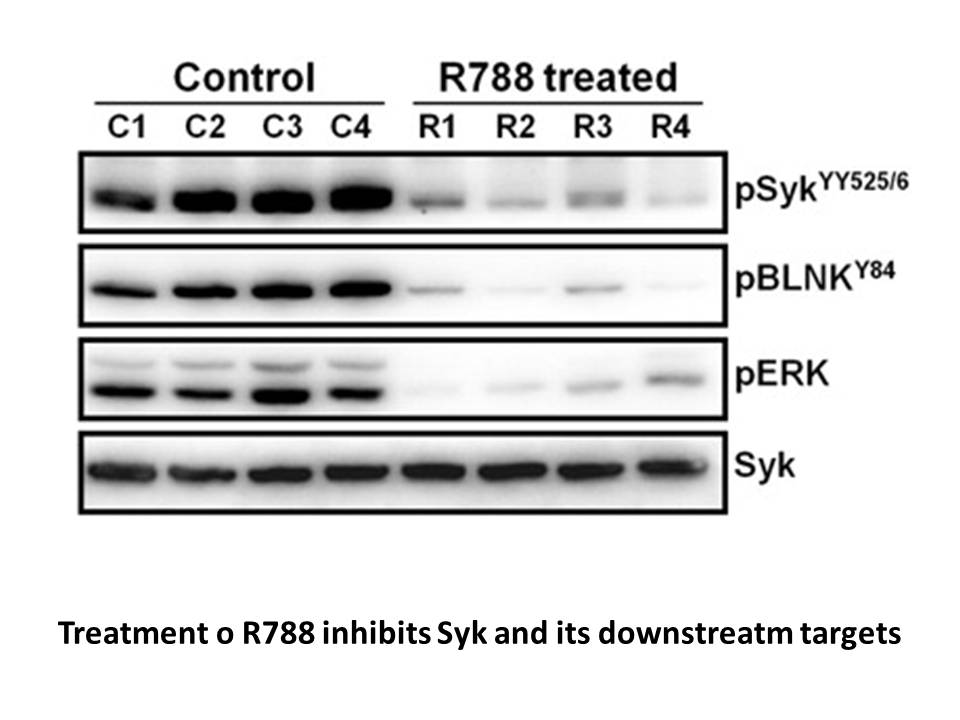
Pathogen-infected sta 90 release exosomes associating with pathogen-associated molecular patterns (PAMPs) such as LPS and lipoprotein derived from microorganisms [29,30]. Exosomes released by bacterially infected, but not uninfected, macrophages stimulate macrophages to release inflammatory mediato
-
br Neurological development and BCAAs Glutamate is
2024-12-30
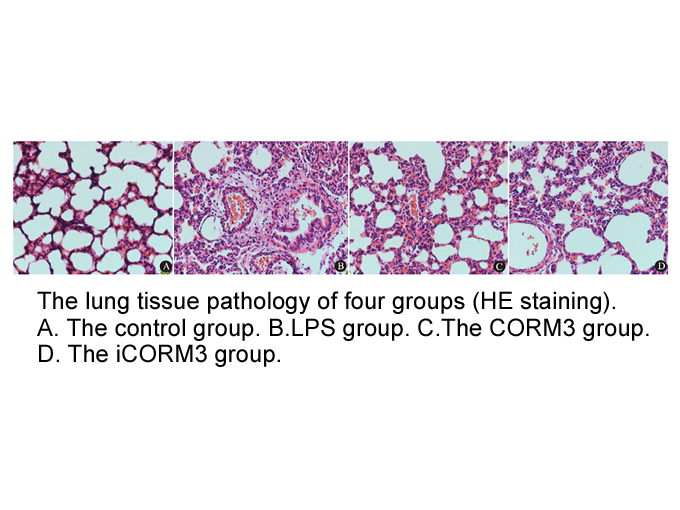
Neurological development and BCAAs Glutamate is an important excitatory neurotransmitter in the brain, and BCAAs (especially leucine) function to synthesize glutamate in astrocytes around neurons, since leucine enters the brain from the blood more rapidly than other erk inhibitor and provides ∼2
7956 records 60/531 page Previous Next First page 上5页 5657585960 下5页 Last page