Archives
- 2026-10
- 2026-09
- 2026-08
- 2026-07
- 2026-06
- 2026-05
- 2026-04
- 2026-03
- 2026-02
- 2026-01
- 2025-12
- 2025-11
- 2025-10
- 2025-09
- 2025-03
- 2025-02
- 2025-01
- 2024-12
- 2024-11
- 2024-10
- 2024-09
- 2024-08
- 2024-07
- 2024-06
- 2024-05
- 2024-04
- 2024-03
- 2024-02
- 2024-01
- 2023-12
- 2023-11
- 2023-10
- 2023-09
- 2023-08
- 2023-07
- 2023-06
- 2023-05
- 2023-04
- 2023-03
- 2023-02
- 2023-01
- 2022-12
- 2022-11
- 2022-10
- 2022-09
- 2022-08
- 2022-07
- 2022-06
- 2022-05
- 2022-04
- 2022-03
- 2022-02
- 2022-01
-
Similar to V the temporal neocortex of mammals including
2023-12-14
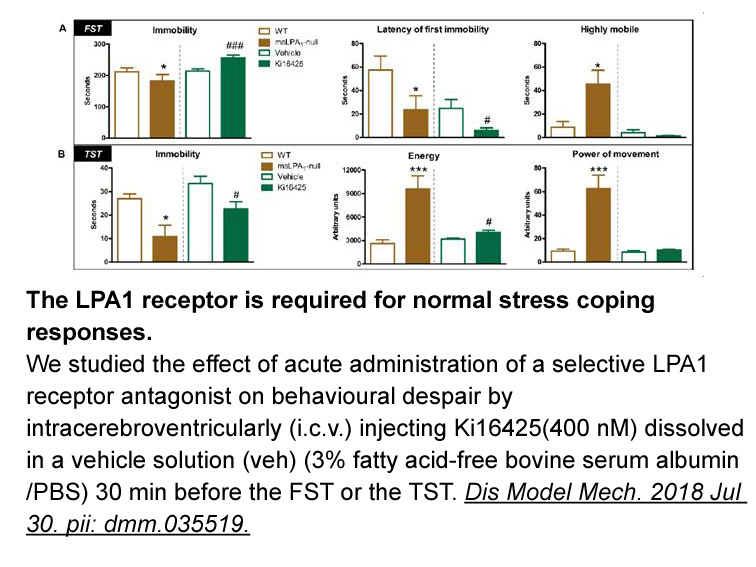
Similar to V1, the temporal neocortex of mammals, including the primary auditory cortex (A1), is densely innervated by 5-HT fibers originating mainly in the dorsal raphe nucleus (Campbell et al., 1987, Harding and Paxinos, 2004, Törk, 1990), and the major Leflunomide of 5-HTRs are expressed through
-
Adenosine is a ubiquitous homeostatic purine nucleoside that
2023-12-14
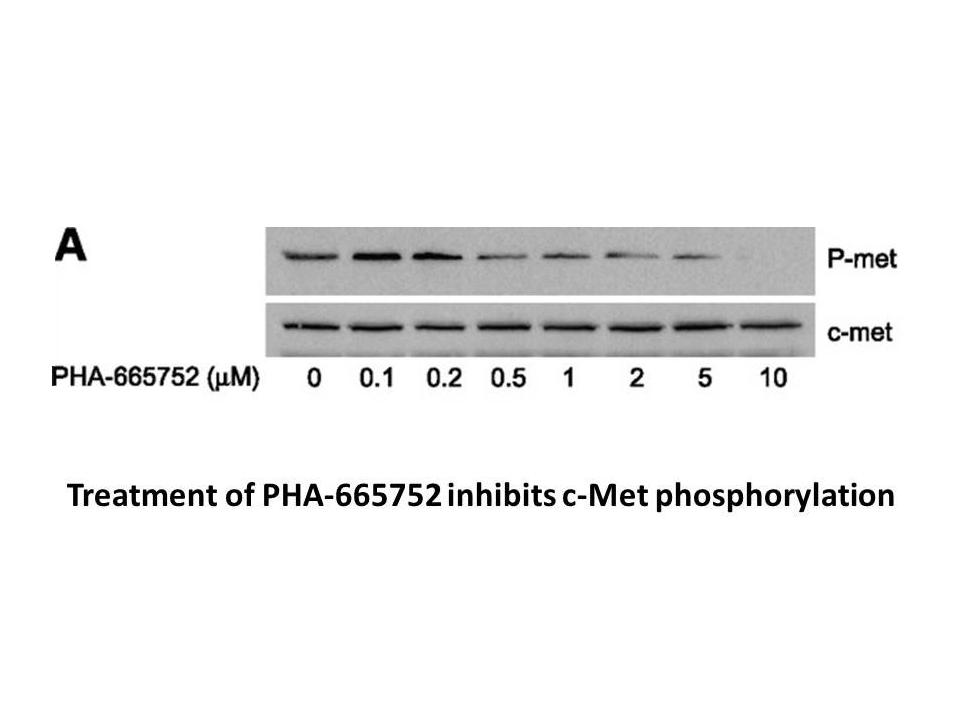
Adenosine is a ubiquitous homeostatic purine nucleoside that accumulates extracellularly in response to metabolic stresses such as hypoxia and inflammation. Activation of either G protein-coupled adenosine receptors (ARs; A1R, A2AR, A2BR, and A3R) by extracellular adenosine can modulate cell signali
-
br Acknowledgments br Introduction Hypospadias is
2023-12-14

Acknowledgments Introduction Hypospadias is a common congenital malformation in males, in which the urethral orifice is found on the ventral side of the penis as a result of incomplete fusion of urethral folds. The mean prevalence in per 10,000 live births from 1910 to 2013 were: Europe 19.9,
-
Considering the physicochemical stability results on Fig it
2023-12-14

Considering the physicochemical stability results on Fig. 5, it was observed that the particles are stable when they are stored at 4 °C for 30 days. After day 30, a significant increase was observed in particle size, but at the end of the 90 days the SLN particle size is still below 100 nm. Stabilit
-
On the other hand our study permits to
2023-12-13
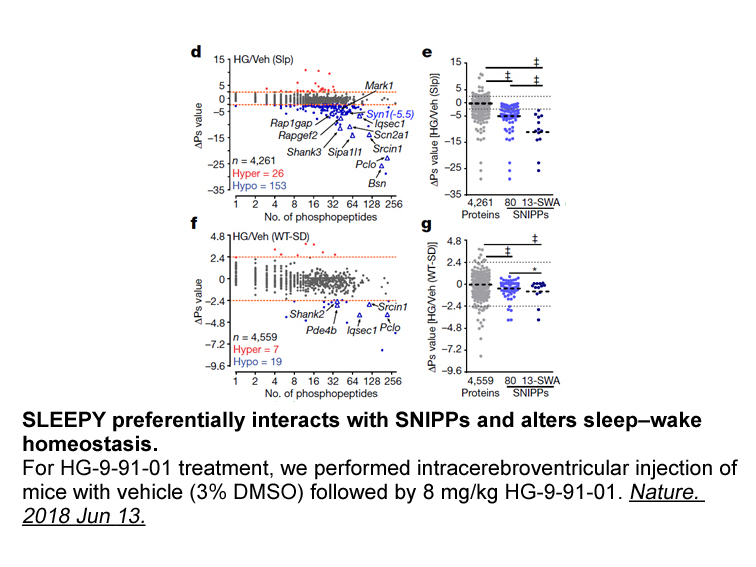
On the other hand, our study permits to draw general conclusions about the complex functional pattern of C4HT, C8HT and C12HT, in comparison with the parent molecule HT and two reference compounds like Trolox and vitamin E. Table 1 summarizes the results obtained in the present investigation (for th
-
Another major problem leading to
2023-12-13
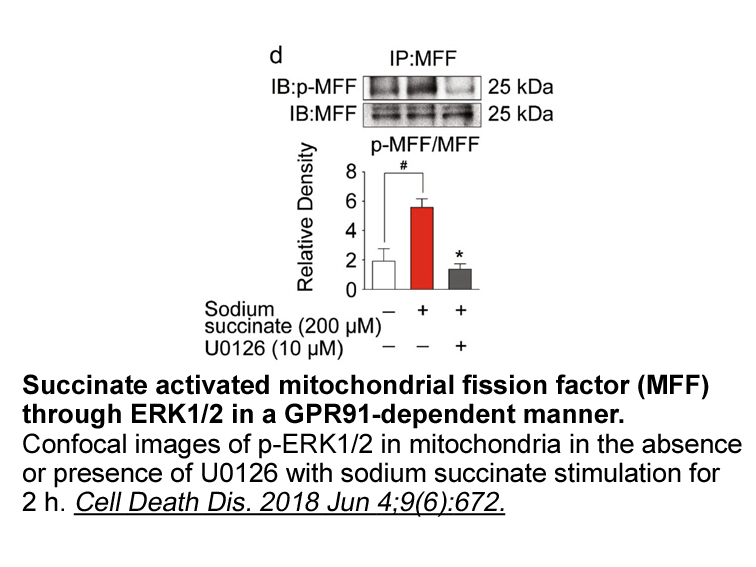
Another major problem leading to implant failures is post-implant infections, majorly due to bacteria adhesion [13,36,37]. A significant decrease in bacterial counts (~65–90%) has been observed in HA and/or CNT-based composites reinforced with 2.5–10 wt% nano Ag [13,38], thus, drawing the conclusion
-
br Findings br Discussion br
2023-12-13
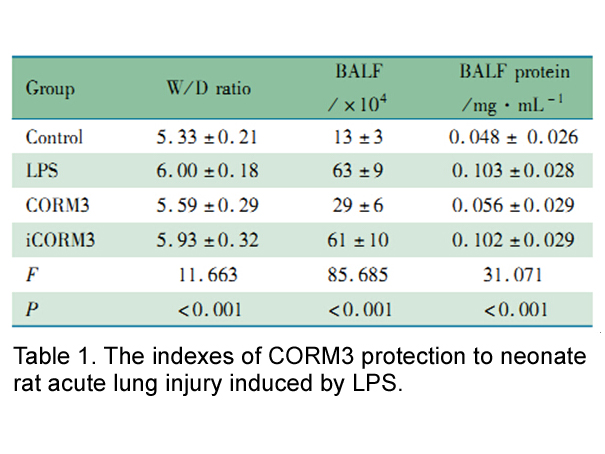
Findings Discussion Conclusions Midwives were more likely to provide effective antimalaria services (including two doses of IPT during the second and third trimesters of pregnancy) to pregnant women if Conflict of interest Authors’ contributions Funding Acknowledgements Resea
-
Plant pathogenic fungi have caused a lot of economic losses
2023-12-13
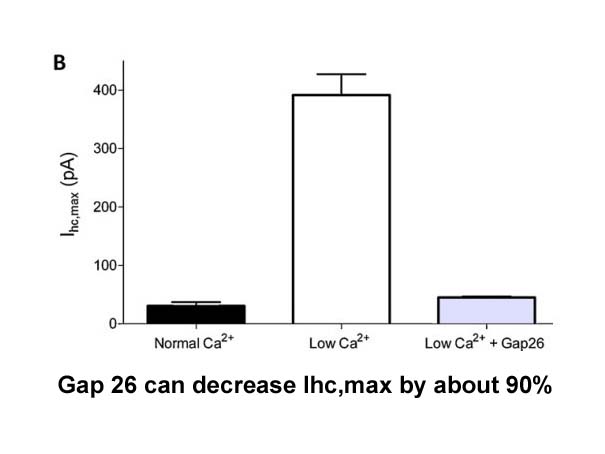
Plant pathogenic fungi have caused a lot of economic losses to agricultural production worldwide every year. It is necessary to develop an bio-sourced antifungal agent for agricultural use. Many researches have shown that the antifungal activity of quaternized chitosan derivatives is mainly affected
-
Incubation of the aortic segments of rats with
2023-12-13
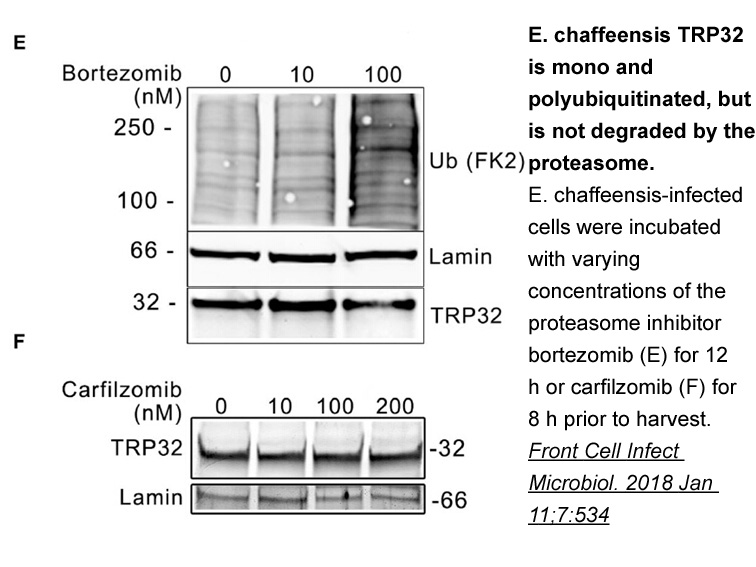
Incubation of the aortic segments of rats with indomethacin significantly decreased the vasoconstrictor response to Phe but only in HgCl2-treated group (Fig. 9A,B), as indicated by dAUC values (Fig. 9E). Co-treatment with losartan once again proved to be effective and prevented the increased partici
-
The androgen receptor gene AR is located
2023-12-13
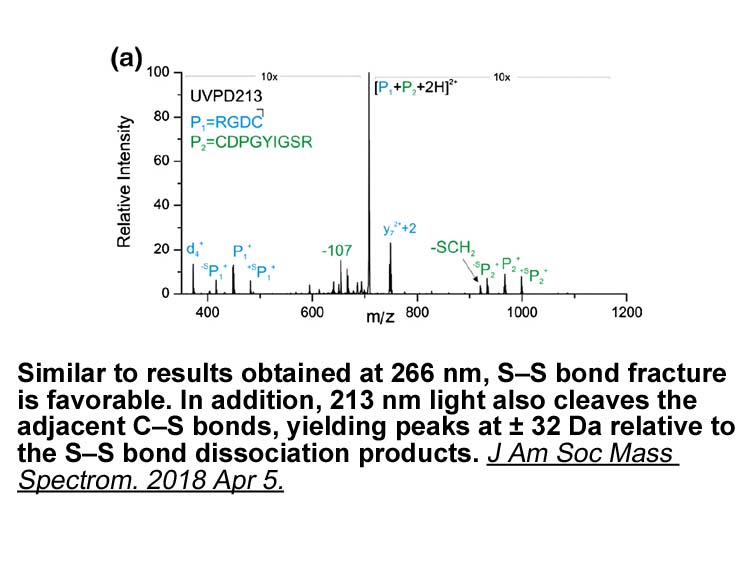
The androgen receptor gene (AR) is located on the X-chromosome and consists of eight exons in humans (Brown et al., 1989; Kuiper et al., 1989). The similar gene structure in mice, monotremes and marsupials indicates AR is highly conserved in mammals (Choong et al., 1998; Faber et al., 1991; He et al
-
br Concluding Remarks and Future Perspectives The collective
2023-12-13
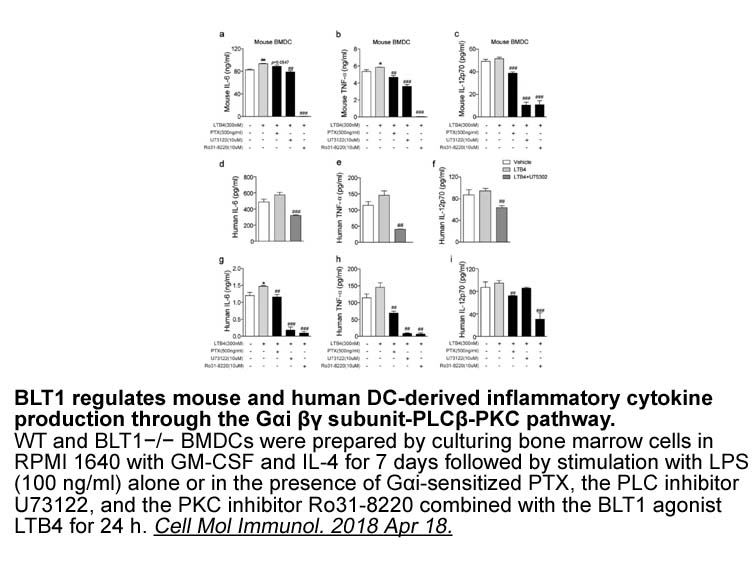
Concluding Remarks and Future Perspectives The collective evidence from studies detailing the functions of AMPK in the neuromuscular system, combined with those in DMD, SMA, and DM1 surveyed in the present review, strongly suggests that AMPK is a central mediator of neuromuscular determination, m
-
br AMPK as a druggable
2023-12-13
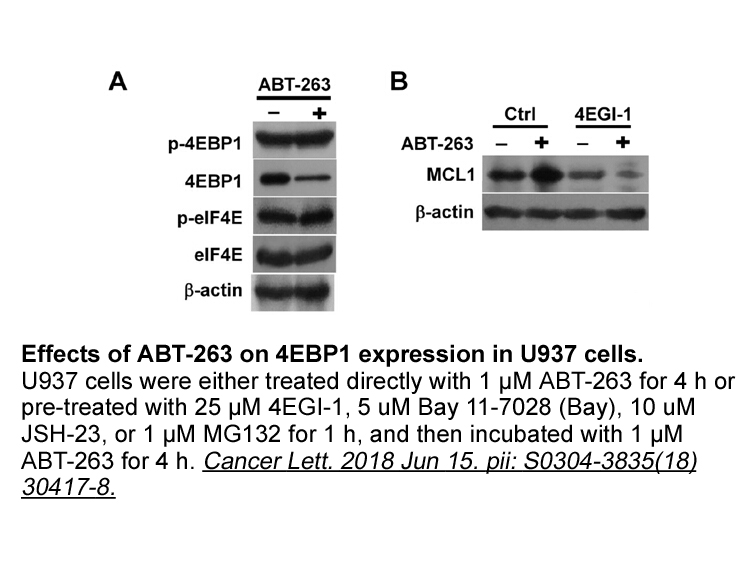
AMPK as a druggable target AMPK signaling has attracted considerable attention within the past decades, owing to the capacity of pharmacological compounds (e.g., 5-aminoimidazole-4-carboxamide-1-β-D-ribofuranoside [AICAR] and metformin) or natural compounds (e.g., resveratrol) to activate AMPK in
-
This development notwithstanding the chemotherapeutic treatm
2023-12-13
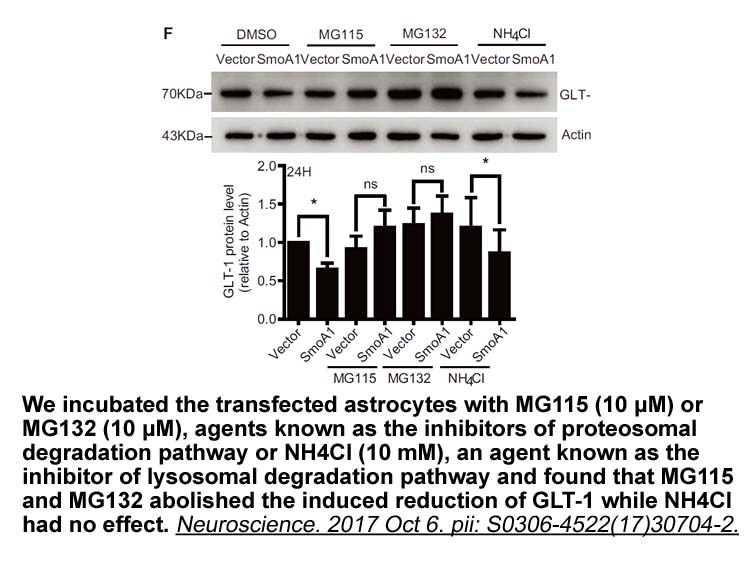
This development notwithstanding, the chemotherapeutic treatment for leukemia has stagnated over the last 40 years [35]. Main treatment options necessitate aggressive chemotherapy to target leukemic cells [36], [37], [38], [39]. Several limitations of current treatment options include the use of ant
-
br Disclosures br Author contributions br Grants This
2023-12-13
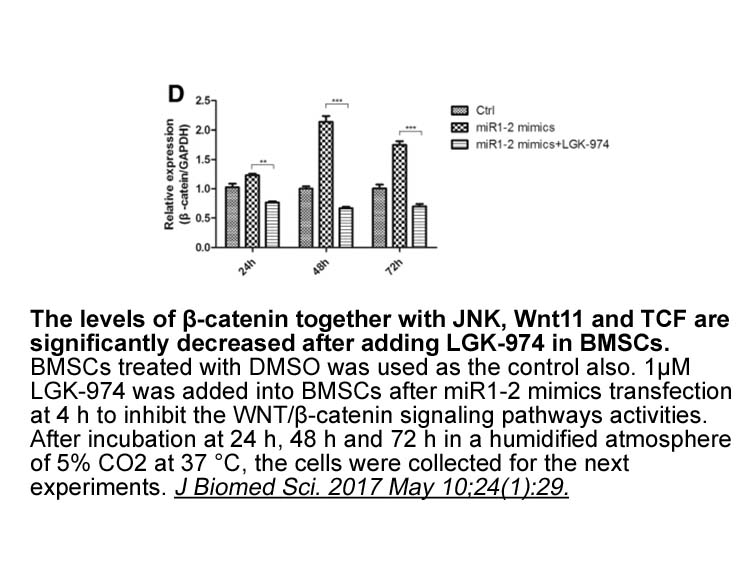
Disclosures Author contributions Grants This work was supported by National Institutes of Health/National Heart, Lung, and Blood Institute MERIT Award R37 HL040696 to J.A.F. Acknowledgments Introduction The AGC kinases, named after the protein A, G and C kinases, are an evolutionaril
-
The direction of research then turned
2023-12-13
The direction of research then turned to investigating the long-term effects of adiponectin on insulin resistance. Adiponectin transgenic mice showed a reduction in insulin resistance and diabetes [5,6], while adiponectin-deficient mice showed mild insulin resistance with glucose intolerance, as wel
8036 records 258/536 page Previous Next First page 上5页 256257258259260 下5页 Last page