Archives
- 2026-10
- 2026-09
- 2026-08
- 2026-07
- 2026-06
- 2026-05
- 2026-04
- 2026-03
- 2026-02
- 2026-01
- 2025-12
- 2025-11
- 2025-10
- 2025-09
- 2025-03
- 2025-02
- 2025-01
- 2024-12
- 2024-11
- 2024-10
- 2024-09
- 2024-08
- 2024-07
- 2024-06
- 2024-05
- 2024-04
- 2024-03
- 2024-02
- 2024-01
- 2023-12
- 2023-11
- 2023-10
- 2023-09
- 2023-08
- 2023-07
- 2023-06
- 2023-05
- 2023-04
- 2023-03
- 2023-02
- 2023-01
- 2022-12
- 2022-11
- 2022-10
- 2022-09
- 2022-08
- 2022-07
- 2022-06
- 2022-05
- 2022-04
- 2022-03
- 2022-02
- 2022-01
-
igf 1 antagonist br The pathogenesis of AD and
2024-08-06
The pathogenesis of AD and the targets of apelin Alzheimer's drugs Conclusions Introduction APJ, first identified from a human genomic library in 1993, belongs to a member of seven trans-membrane G protein-coupled receptor family. Its amino igf 1 antagonist sequence has 31% homology wit
-
A Venn diagram representing RNA seq data
2024-08-06
A. Venn diagram representing RNA-seq data that show the number of gene overlaps in GFP and HepKO livers after chronic PF-06409577 dosing. B. Top canonical pathways that changed according to Ingenuity Pathway Analysis after chronic PF-06409577 dosing. C. Fibrosis-related genes that were altered in GF
-
The RE compartment has been
2024-08-06
The RE compartment has been shown to be critical for supplying AMPAR during LTP (Hanley, 2010; Park et al., 2004), but whether they also supply AMPAR for synaptic scaling has been less clear (Gainey et al., 2015; Tan et al., 2015). Interestingly, although an increase in μ3A is necessary for scaling,
-
Epidermal growth factor EGF has been shown to increase
2024-08-06
Epidermal growth factor (EGF) has been shown to increase the 12S-lipoxygenase mRNA level by about two-fold in human epidermoid carcinoma A431 cells [71]. This enzyme was shown to be of the platelet-type and associated with the microsomal fraction of the cells [71], [72]. A requirement for EGF recept
-
A limitation of the NIA AA recommendations was that biomarke
2024-08-06

A limitation of the 2011 NIA-AA recommendations was that biomarkers were grouped into just two categories—amyloid and tau-related neurodegeneration. Tauopathy and neurodegeneration were placed into the same biomarker category. In persons with only AD, it is reasonable to assume that neurodegeneratio
-
All desired compounds with a carboxylic acid substituent at
2024-08-06
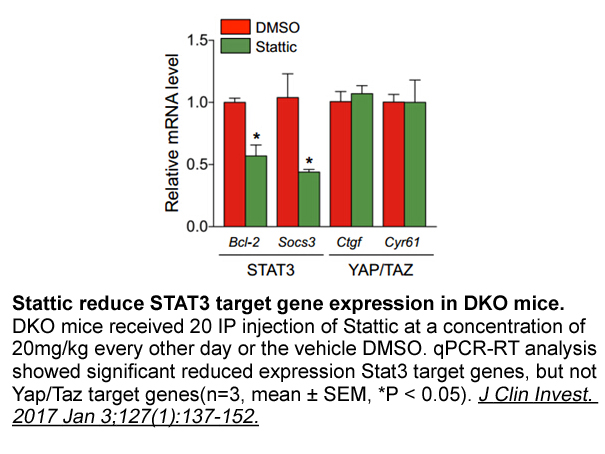
All desired compounds with a carboxylic rat 4 synthesis substituent at N1 position of the quinoxalinone scaffold and a variety of aromatic substituents at C3 position were obtained by the syntheses starting from methoxy-substituted 3-chloro-quinoxalin-2(1)-ones () prepared as previously. As shown in
-
Globally the total number of patients included in
2024-08-06
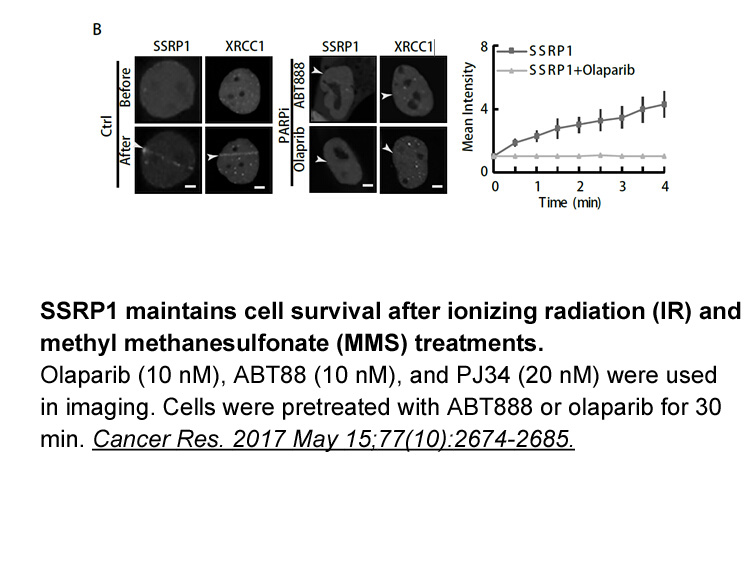
Globally, the total number of patients included in the meta-analysis was 1885, ranging from 40 to 442 patients per study. All eligible studies reported the association between ALDH1 expression and patients' OS [24-26, 3241], whereas nine studies evaluated the relationship between ALDH1 expression an
-
LY2603618 Adenosine A A agonists have been shown to
2024-08-06
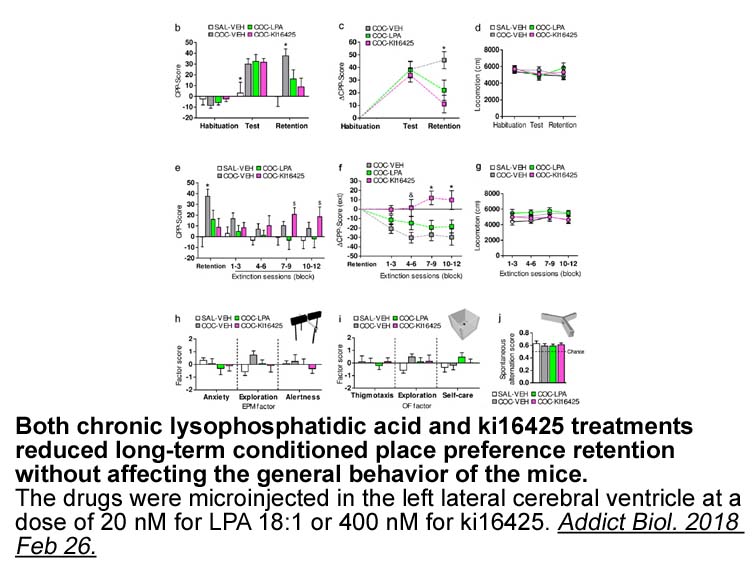
Adenosine A2A agonists have been shown to significantly reduce albuminuria in diabetic mice as well as plasma creatinine [24]. Proteinuria was greater in diabetic A2A knock-out (KO) mice than diabetic wild type (WT) mice [24]. Consistent with these findings, our laboratory initially found that prote
-
That disassembling actin filaments transport chromosomes tow
2024-08-06
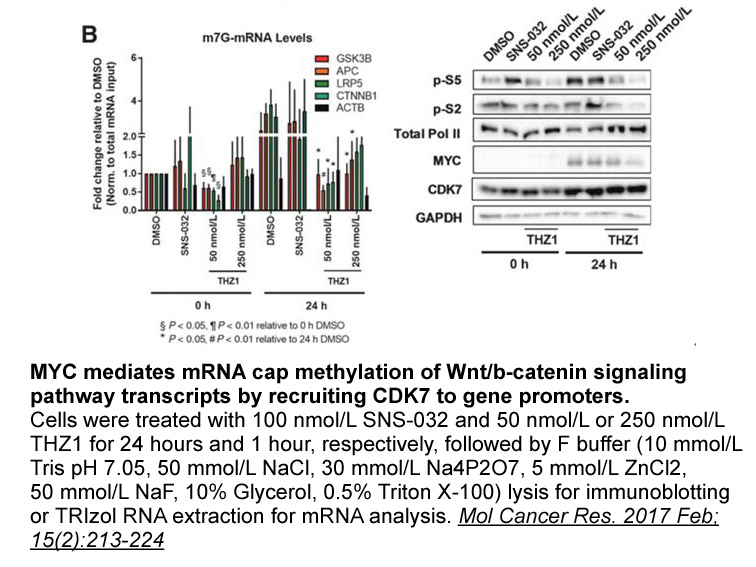
That disassembling Crystal Violet filaments transport chromosomes towards the spindle in oocytes may be surprising at first sight. On the other hand, it is well established that chromosome movement during anaphase is driven by the depolymerization of microtubules [20]. It will be interesting to inv
-
br Roles for GMF in
2024-08-06
Roles for GMF in Endocytic Traffic In addition to its roles in cell migration, GMF regulates actin-dependent endocytosis in yeast and mammals 13, 14, 50, and promotes the turnover of focal adhesions in immune e mycin synthesis 42, 51. Vinculin, a central component of focal adhesions that anchors
-
As a continuation of our search
2024-08-06
As a continuation of our search for a selective AChE radioligand bearing a meta-F substituted N-benzyl moiety, we designed and synthesized a novel meta-F-CP-118,954 analog along with a meta-18F-labeled form via diaryliodonium salt-based precursor (Fig. 1). For comparative purposes, we incorporate th
-
The earliest appearance of tumors occurred at months and
2024-08-05
The earliest appearance of tumors occurred at 12 months and the latest at 24 months, with an average onset at 18 months (Fig. 1B). This would be roughly equivalent to cancer presenting in a patient between 60 and 70 years of age. In transgenic animals, autotaxin GNE-617 was relatively increased in
-
Telomerase action at the telomere is highly regulated
2024-08-05
Telomerase action at the telomere is highly regulated; it preferentially elongates the shortest telomeres, and recruitment of the enzyme complex to the telomere occurs in mid-S phase of the cell cycle (Bianchi and Shore, 2007, Britt-Compton et al., 2009, Teixeira et al., 2004, Hemann et al., 2001, T
-
Of the many different types of
2024-08-05
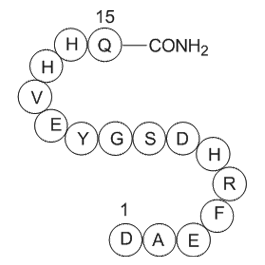
Of the many different types of DNA lesions, DNA double strand breaks (DSBs) are amongst the most deleterious. It has been suggested that a single unrepaired DSB may be sufficient to induce cell death (Bennett et al., 1993), whereas misrepaired DSBs can result in loss of genetic information, potentia
-
br Experimental Section br Results and Discussion br
2024-08-05
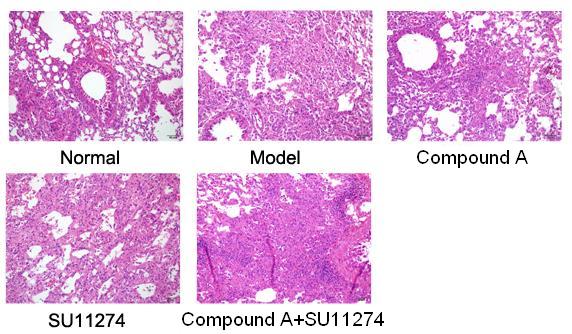
Experimental Section Results and Discussion Conclusions The advantages of the novel enzymo-chemical method for Mn and Co assay are simplicity of analytical procedure and economic effect due to the usage of only one enzyme in the form of apo-enzyme. An effectiveness of the apo-arginase-based
8037 records 141/536 page Previous Next First page 上5页 141142143144145 下5页 Last page